
Who we are
Minjerribah Wildlife Veterinary and Conservation Foundation is a not-for profit foundation established in January 2026 to support the veterinary care, treatment, rehabilitation, and conservation of native wildlife on Minjerribah (North Stradbroke Island), SE Qld, Australia.
Minjerribah is a wildlife sanctuary. For many decades there has been a desire amongst those who care about the island’s wildlife to treat injured and sick animals on island. This reduces the need to send them on a long, stressful journey to the mainland for care. Subsequently, this enables us to rehabilitate and release them back on Quandamooka Country.
The Foundation builds on strong community partnerships to ensure native wildlife can receive high-quality, compassionate veterinary care on the island without the need to leave Country. We support timely veterinary triage, treatment, and rehabilitation for sick, injured and orphaned wildlife while reducing transfers to mainland facilities by enabling on-island assessment, care, and release wherever possible. We strengthen local capacity through support for wildlife carers, volunteers, and education initiatives, and promote research, sustainability, and conservation programs that safeguard the island’s unique and isolated wildlife populations.
Our work is carried out with respect for Quandamooka Country, acknowledging the enduring connection of the Quandamooka People, whose care for land, waters, and wildlife spans countless generations.
The Foundation is guided by a board of directors with expertise in veterinary wildlife medicine, rehabilitation, research, education, governance, and community leadership. It is currently progressing ACNC charity registration and Deductible Gift Recipient (DGR) status to support philanthropic and grant-funded initiatives.
Our vision extends beyond treatment to education, research, and conservation programs that build local capacity and deepen ecological understanding, aiming to help inform future conservation management decisions. Our work is strengthened through collaboration with diverse stakeholders and by empowering the community to play an active role in wildlife care and conservation. By combining science, culture, and compassion, we aim to return wildlife to Quandamooka Country wherever possible and help ensure Minjerribah’s wildlife and ecosystems thrive for generations to come.
MWVCF is a Registered Australian Charity. Endorsed as a Deductible Gift Recipient (DGR). Donations of $2 or more are tax deductible.
"What we do makes a difference, and you have to decide what kind of difference you want to make."
- Jane Goodall
What we do
Working in partnership with Straddie Vet, the Foundation supports a 24/7 wildlife triage and emergency care service established by Straddie Vet in September 2025. The island now has a dedicated Wildlife Veterinary and Rehabilitation Centre — a significant step forward for wildlife care on Minjerribah. The centre provides advanced facilities for on-island veterinary triage, treatment, surgery, and short-term rehabilitation, allowing injured and orphaned wildlife to receive expert care close to where they were found. By enabling assessment, treatment, and release on the island wherever clinically possible, this service reduces the stress and risk associated with transfer to mainland facilities and improves welfare outcomes for native wildlife.
Following stabilisation, animals remain under care until they are fit for release or ready for transfer to an authorised wildlife carer. With the granting of a specialist species rehabilitation permit for koalas, veterinary-led rehabilitation and on-island release of koalas is now possible, supporting the conservation of Minjerribah’s important koala population. Approvals for the rehabilitation and release of other native species are also in place, with a long-term vision to support a growing network of trained on-island wildlife carers and reduce reliance on mainland rehabilitation services.
Education, collaboration, and conservation underpin the Foundation’s work. Building on strong local partnerships, the Foundation supports education, research, and community capacity-building initiatives that strengthen wildlife care and conservation outcomes on the island. This includes mentoring wildlife carers and volunteers, supporting community awareness of wildlife rescue and environmental stewardship, and collaborating with research institutions to deepen understanding of wildlife health, ecology, and environmental change.
Together with our partners, we are shaping a future where wildlife care, conservation, and community stewardship thrive side by side on the island. All care is undertaken with deep respect for Quandamooka Culture and Country, honouring enduring knowledge systems and ensuring wildlife is treated with dignity throughout every stage of care.
MWVCF is a Registered Australian Charity. Endorsed as a Deductible Gift Recipient (DGR). Donations of $2 or more are tax deductible.
"It's not enough to love animals; we must actively protect and preserve them. It's our duty and responsibility as custodians of this planet."
— Daphne Sheldrick
Meet the team
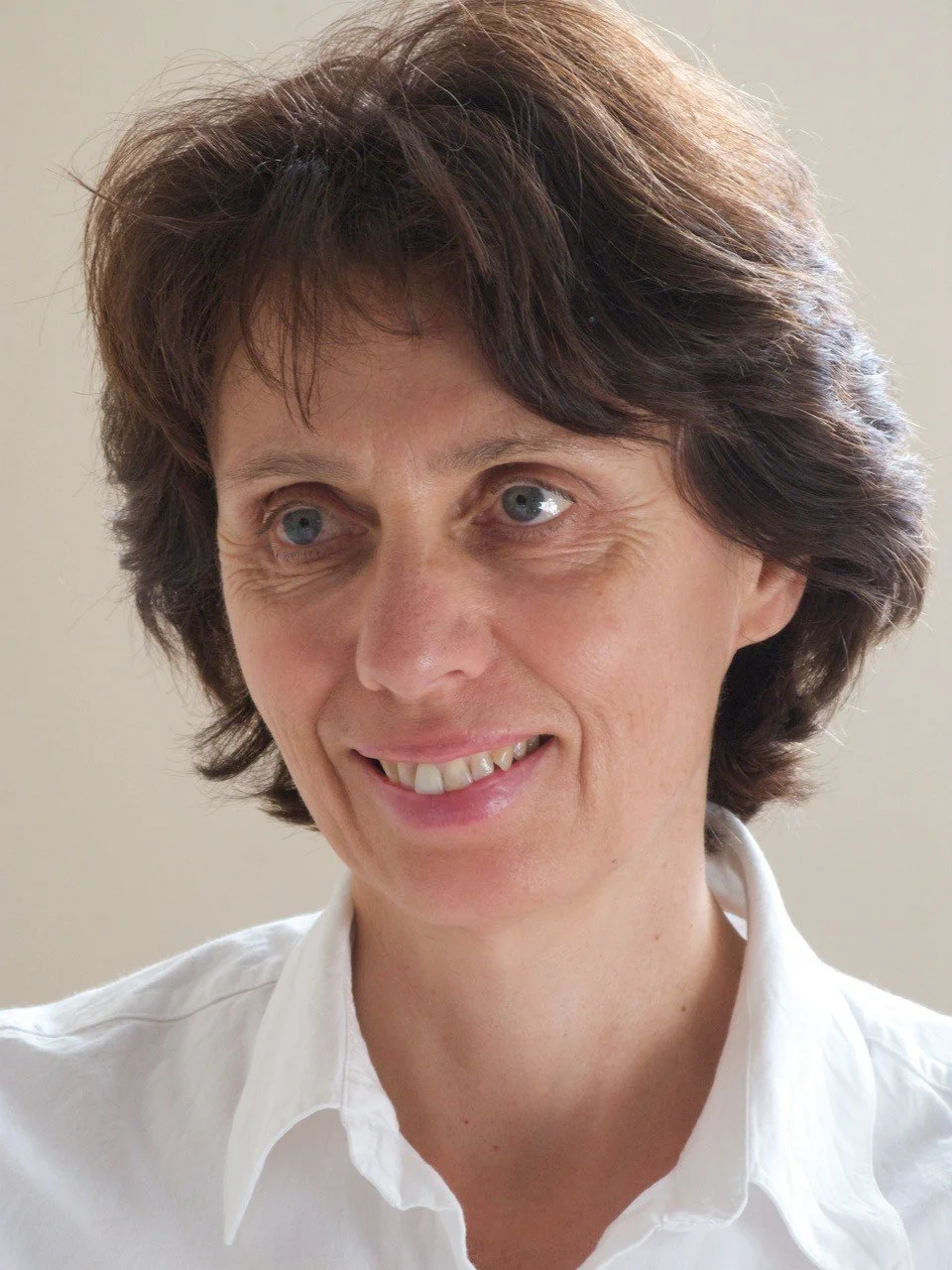
Dr. Jan Aldenhoven
BIOLOGIST & ACCLAIMED WILDLIFE FILMMAKER
-
Dr Jan Aldenhoven is a biologist and acclaimed wildlife filmmaker living on Minjerribah (North Stradbroke Island). She holds a BSc (Hons) in botany, zoology and freshwater ecology, and a PhD in animal behaviour. Her doctoral research involved four years diving off Lizard Island on the Great Barrier Reef unravelling the complex social organisation of the blue and gold angelfish.
In 1985, Jan and her partner, Glen Carruthers, formed their own wildlife production company, achieving international renown for their the Emmy and Logie award-winning documentary Kangaroos – Faces in the Mob. Their projects have taken them worldwide – from the Soviet Union to the Pacific and Indian Oceans – filming subjects ranging from tiny plankton to elephants, whales, and dolphins. Their work has featured in numerous David Attenborough series and productions for National Geographic, the BBC, ABC, and Discovery.Jan is a dedicated conservationist regularly working with the Quandamooka People on habitat care and ecological management on Minjerribah. She often gives lectures and talks about the environment and animal behaviour to visiting secondary and tertiary students.
Committed to on-island care, Jan advocates treating and rehabilitating Minjerribah’s wildlife locally, reducing the need to send animals to the mainland. In supporting the project to keep the island a wildlife sanctuary where nature and community thrive together, she champions the integration of research and veterinary practice to deepen the understanding of Minjerribah’s fauna.
Jan contributes a lifetime's experience in wildlife science, conservation, media, business, and community engagement in her role as a board director.

A/Prof. Rosie Booth
WILDLIFE VETERINARIAN
-
Rosie Booth is a wildlife veterinarian with 45 years’ experience. She graduated from the University of Queensland in 1981, having completed a 5-year degree by the age of 21. She cemented her veterinary skills with 10 years of general practice including small animal, mixed and emergency/critical care. Following a childhood passion for nature, she has focused her career on Australian native animals and conservation of threatened species.
Academic career
Rosie undertook a research masters in 1986 on koala adrenal function. She has held positions as senior lecturer in wildlife health at the University of Queensland, and as Associate Professor of wildlife management at the University of Southern Queensland and as an adjunct lecturer at Melbourne University. Rosie’s various wildlife publications have been cited more than 1000 times.
Conservation Career
Rosie spent eight years working for QPWS as Principal Conservation Officer, co-ordinating captive breeding threatened species including Eastern Bristlebirds, Julia Creek Dunnarts, Mahogany Gliders, Proserpine Rock Wallabies, Northern Bettongs and Richmond Birdwing Butterflies. During this time 172 individuals from 6 species were released to the wild under her management. From 2022-2025, Rosie was the Manager of Threatened Species Conservation Strategy for the Turner Family Foundation at Hidden Vale Wildlife Centre working primarily on projects for the conservation of the Rufous Bettong and the Condamine Earless Dragon.
Wildlife Career
Rosie has been a Zoo and Wild Animal Vet since 1988 and has led veterinary teams at Lone Pine Koala Sanctuary, Healesville Sanctuary, Melbourne Zoo, Currumbin Sanctuary, and David Fleay Wildlife Park. Rosie has served as president of both the Wildlife Disease Association and the Australian Association of Veterinary Conservation Biologists. Rosie served as the Director of Australia Zoo Wildlife Hospital for six years from 2015-2021, managing a large team, supervising more than 3000 koala cases, developing the koala, flying fox, marine turtle and sea snake hospital facilities and analysing hospital data to inform better wildlife management.
Rosie is the founder of Wild Animal Solutions which continues to provide veterinary support to wildlife management, health and conservation activities since 2013.
A/Prof. Romane Cristescu
VETERINARIAN & CONSERVATION ECOLOGIST
-
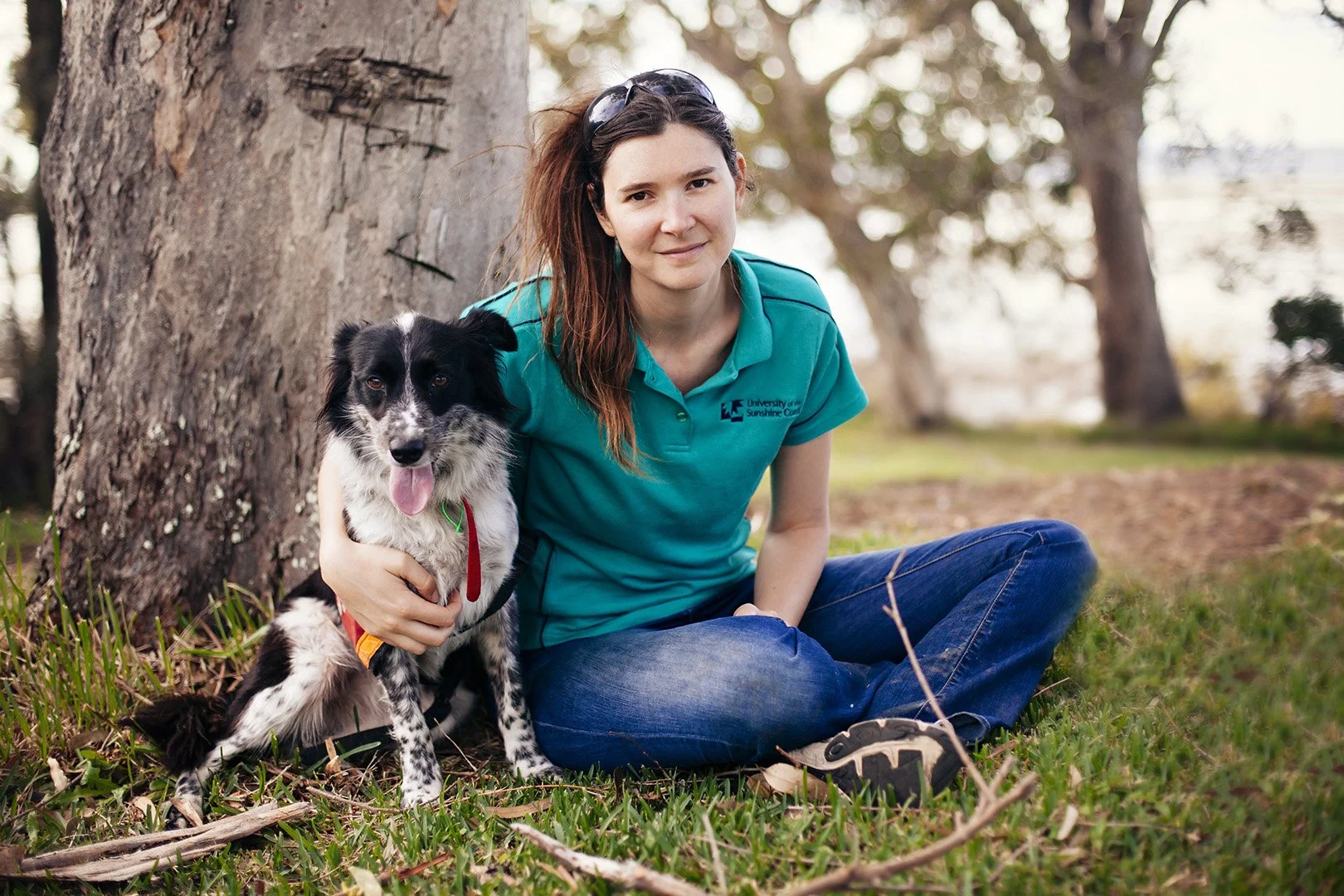
A/Prof. Romane Cristescu, from Detection Dogs for Conservation at the University of the Sunshine Coast, is a veterinarian and conservation ecologist with a wide range of interests - all centred around this single and complex question: “how can we best help wildlife in a world dominated by humans?”
As part of understanding how wildlife negotiates the increasingly anthropogenic landscape, she has focused on developing new methodologies including detection dog and drone-mounted thermal camera survey methods, non-invasive molecular analyses (genetic, pathogens, and many markers measured in scats) and innovative technologies to monitor movement - both ear tag and collar based.
Romane did her PhD on Minjerribah, where she also lived for 8 years. She describes the island as “her place of heart”, and since leaving in search of a university position, has stayed involved in koala research on the island, especially in partnership with First Nations. When living on Minjerribah, Romane was involved in wildlife rescue, and her interest in this remain strong. In particular, koalas on Minjerribah are one of the rare coastal population that remains healthy, with very little death from chlamydial disease, which is plaguing the mainland. Protecting the Minjerribah koalas is thus both critical locally and for the QLD koalas as a whole.
Finally, Romane values above all compassion and kindness as a way to go through both academia and life.
Dr. Elizabeth Johnstone
FOUNDING DIRECTOR & MARINE SCIENCE ADVISER
-
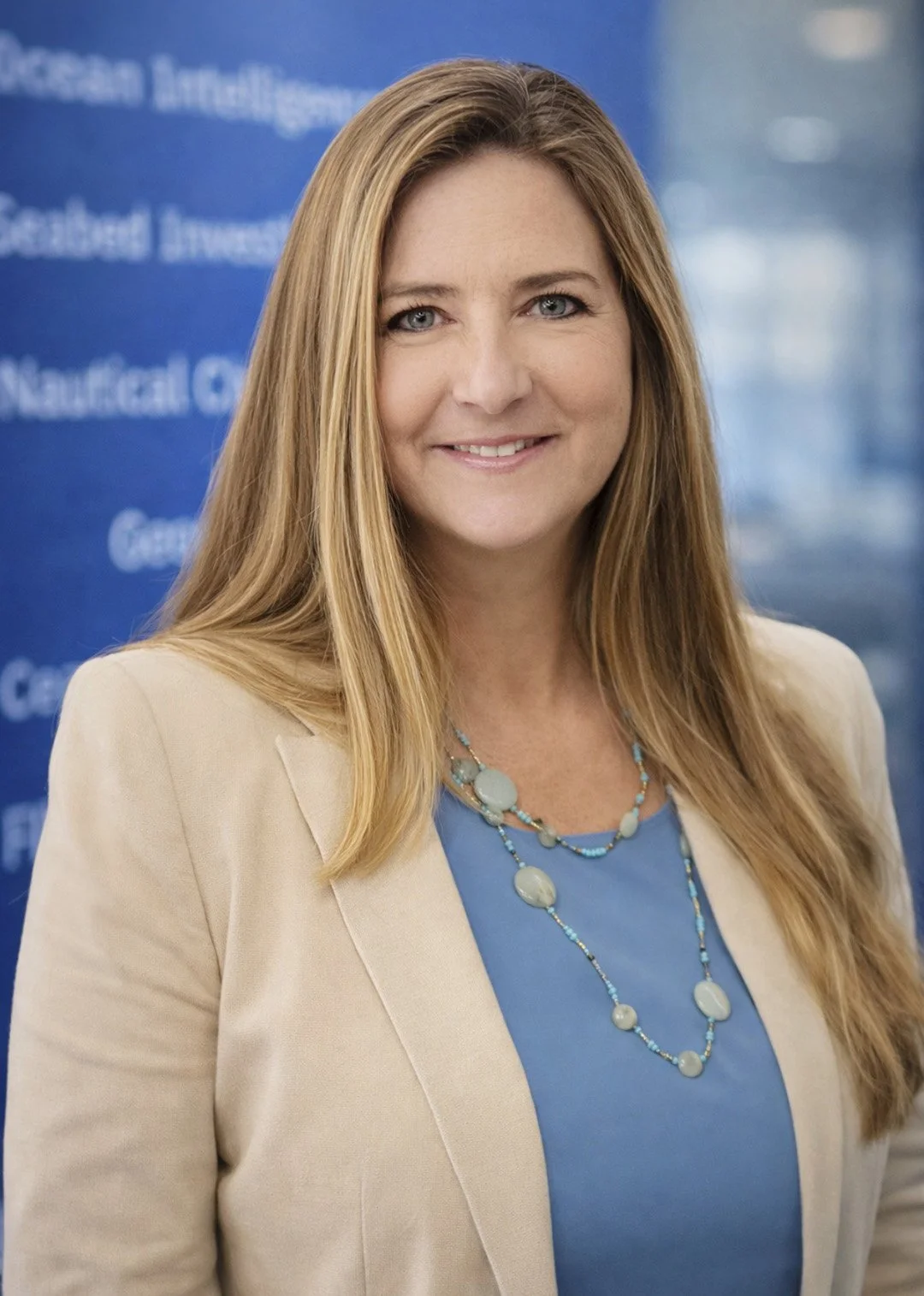
Dr. Elizabeth Johnstone is a Founding Director of the Minjerribah Wildlife Veterinary Conservation Foundation and serves as its Marine Science Advisor. She brings together hands-on animal care experience and marine science expertise, united by a strong commitment to supporting wildlife and her local community on Minjerribah.
Elizabeth’s professional journey began as a veterinary nurse, where she developed practical clinical skills and a deep appreciation for the realities of animal care. Alongside this, she has been actively involved in marine animal rescue and release programs in the United States, working alongside veterinarians and field teams to rehabilitate marine wildlife and return animals safely to the ocean. These experiences continue to inform her approach, grounding scientific and strategic decisions in animal welfare and real-world outcomes.
She later completed a doctorate in Oceanography and has spent more than two decades working in marine and coastal science, environmental assessment and habitat mapping across Australia and internationally. Her work has focused on understanding ecosystem change and human impacts on marine and coastal environments, with particular relevance to island systems and the interconnected land–sea environments that surround Minjerribah.
Within MWVCF, Elizabeth provides guidance on marine and coastal ecology and supports an integrated, evidence-based approach to conservation. She is deeply motivated by a desire to help the Minjerribah community care for wildlife locally, strengthening the capacity of veterinarians, carers and residents to keep animals healthy and on Country wherever possible. As a Founding Director, she is committed to building a strong, collaborative foundation that supports wildlife welfare, veterinary care and long-term ecological resilience for Minjerribah.
Dr. Jade Patterson
SMALL ANIMAL & WILDLIFE VETERINARIAN & CONSERVATIONIST
-
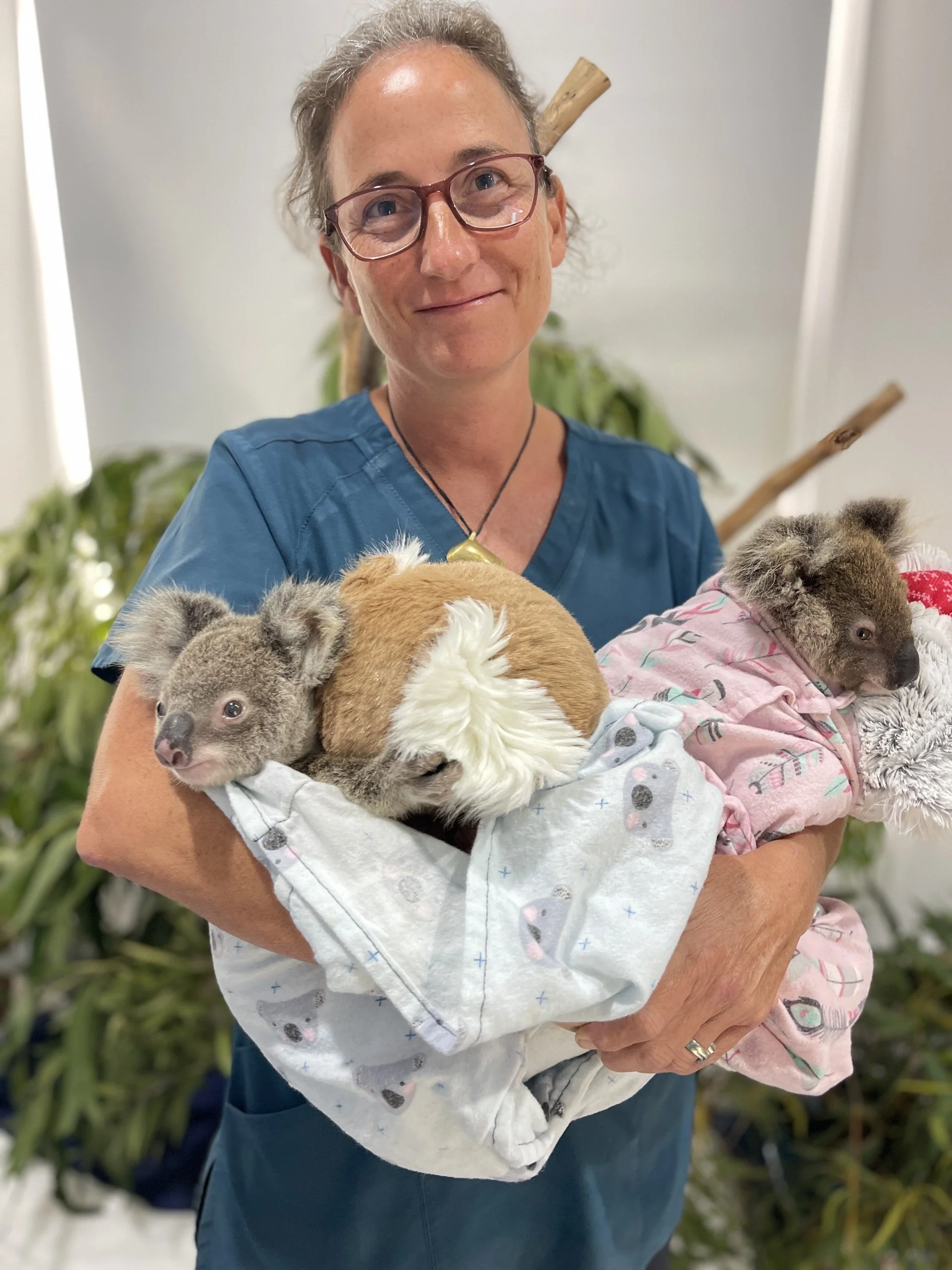
Dr Jade Patterson is a small animal and wildlife veterinarian and conservationist with more than two decades of experience across clinical medicine, field research, laboratory science, wildlife rescue and rehabilitation, and ecosystem health. Born and raised in Zambia, Southern Africa, her early connection with wildlife and wild places shaped a lifelong commitment to conservation. Based on Minjerribah, she works to strengthen wildlife health outcomes through a practical blend of scientific expertise, emergency response capability, and community collaboration.
Jade completed a Master of Veterinary Science in Zoo and Wildlife Medicine and Surgery at the University of Melbourne in partnership with Melbourne Zoo, undertaking a competitive residency. Her published research on koala retrovirus and Chlamydia in free-ranging koalas contributes to ongoing koala health management and disease surveillance in Australia. She also holds a master’s Certificate in Veterinary Conservation Medicine from Murdoch University, a veterinary degree from the University of Sydney, and a science background in microbiology from the University of Liverpool.
Her career combines research with hands-on wildlife care. She has participated in large-scale field capture and disease investigations in wild koalas, supported zoo-based endangered species recovery programs, led wildlife rescue and rehabilitation initiatives in Queensland, undertaken chemical immobilisation and relocation of large wild mammals in Africa, and completed further training in wildlife pathology, disease risk assessment, and emergency management.
As former President and Founding Leader of Wildlife Rescue Minjerribah, Jade helped coordinate wildlife response efforts for several years, fostering collaboration between carers, veterinarians, and regulatory authorities. After working on Minjerribah as a mobile vet since 2015, in 2024 she established Straddie Vet, a purpose-built veterinary hospital with a dedicated wildlife facility that strengthens local capacity to treat injured, sick and orphaned native animals while also serving the domestic animal community. The model supports timely triage, structured rehabilitation, and opportunities for education and applied research, particularly for threatened species such as koalas, while generating evidence to inform conservation planning and management decisions.
As Veterinary Conservation Lead for the Minjerribah Wildlife Veterinary and Conservation Foundation, she focuses on strengthening regional wildlife health infrastructure, supporting high clinical standards in threatened species rehabilitation, improving disease surveillance and biosecurity preparedness, fostering respectful partnerships with Traditional Owners, and mentoring emerging wildlife professionals while promoting research and education.
Jade’s approach recognises that wildlife health is inseparable from habitat protection, community knowledge, and ecosystem resilience. Living and working on Minjerribah since 2014, she is deeply committed to contributing to safeguarding the island’s biodiversity and building long-term wildlife health capacity on Minjerribah. She believes that healthy ecosystems are a shared responsibility, and that communities play a vital role in looking after the environment and the life it sustains. Her work reflects a One Health perspective, recognising the interconnected wellbeing of wildlife, people, and the environment. Through science, compassion, and strong partnerships, she advances a model of care in which veterinary medicine, conservation and community work hand in hand.